DIY Lowpoly Bull Sculpture: A 3D SVG Shape with Visual Punch for Creative Projects
First Impressions: Bold, Modern, and Craft-Friendly
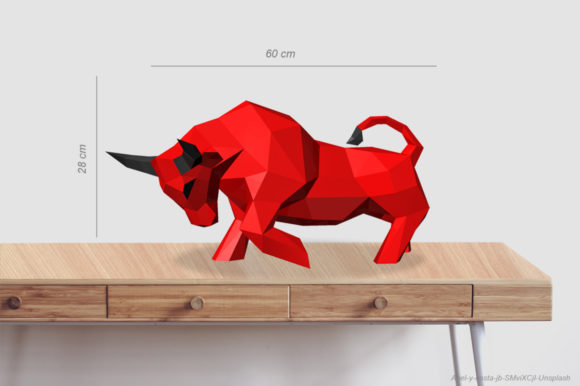
When I first downloaded the DIY Lowpoly Bull Sculpture, I was struck by its clean, geometric aesthetic. The low-poly style gives it a contemporary edge, while the 3D effect adds depth that works well in both digital and print formats. As a designer who frequently works with small brands and Etsy sellers, I immediately saw potential for using this asset in branding, packaging, and social media visuals.
This is not your average flat illustration—it has dimension and structure, which makes it stand out in a sea of minimalist design trends. It feels like a hybrid between modern digital art and hands-on craft appeal, which is perfect for creative entrepreneurs who want to highlight both quality and personality in their visual identity.
Real-World Design Applications: From Packaging to Pinterest
I tested the DIY Lowpoly Bull Sculpture across a range of design scenarios, including product mockups, Canva templates, and Cricut projects. The bull motif is versatile enough to work for rustic brands, western-themed boutiques, or even edgy lifestyle brands that lean into bold visuals.
- Logo design: Used as a supporting icon in a brand kit, especially for handmade leather goods or artisanal food products with a rustic twist.
- Packaging design: Looks great as a decorative accent on gift boxes or sticker seals for small-batch products.
- Social media graphics: Works well as a hero graphic on Instagram posts or Pinterest pins, especially when paired with earthy tones and bold typography.
- Printable wall art: The geometric structure holds up well at larger sizes, making it ideal for digital download shops selling printable decor.
- T-shirt and mug design: The SVG format allows for easy editing in Cricut and Silhouette software, so it's a solid choice for print-on-demand sellers.
Where It Shines: Hero Graphics and Thematic Branding
The DIY Lowpoly Bull Sculpture performs best when used as a central visual element in a design layout. On product mockups, it adds a sense of craftsmanship and authenticity. In branding projects, it helps create a strong visual hook—especially for clients in the lifestyle, artisanal, or outdoor niche markets.
It also works well in themed collections. For example, I used it alongside other western-inspired SVGs to build a seasonal campaign for a small coffee roastery leaning into a "Mountain Brew" concept. The bull added a touch of ruggedness that balanced well with clean typography and warm neutrals.
Where to Use with Caution: Visual Hierarchy and Minimalist Contexts
While the design is visually strong, it can overpower minimalist layouts or small-scale graphics. In a recent project for a luxury skincare brand, I tried placing the bull on a product label, but it clashed with the brand’s clean, sans-serif typography and white space strategy.
Here are a few situations where I’d recommend extra attention:
- Small print sizes: Details in the low-poly facets can get lost when scaled down.
- Busy backgrounds: The sculpture’s angular lines can compete with complex textures or patterns.
- Corporate branding: It’s too stylized for formal business materials or financial services branding.
- Low-contrast settings: Always test on both light and dark backgrounds to ensure readability and visual balance.
Design Performance: Readability, Branding, and Emotional Appeal
From a design psychology standpoint, this asset brings a sense of boldness and confidence. The angular geometry reads as modern and structured, while the bull motif adds a layer of strength and symbolism—ideal for brands that want to project resilience and individuality.
However, I found that it can affect visual hierarchy if not placed intentionally. When used alongside script fonts or soft illustrations, it creates a nice contrast, but it can feel jarring if mixed with too many other bold design elements. For brand consistency, I recommend pairing it with complementary SVGs that share the same style language—think similar line weight, color depth, and overall aesthetic.
Practical Designer Notes: File Formats, Licensing, and Testing
Before using the DIY Lowpoly Bull Sculpture in a client project, I always run through a quick checklist:
- Check the file formats: PDF, DXF, and PNG are included, which is great for both print and digital use.
- Test the SVG in design software like Adobe Illustrator or Canva to ensure it's fully editable.
- Preview the PNG version on both light and dark backgrounds to assess transparency and contrast.
- Print a sample to confirm detail clarity, especially if used in physical product packaging.
- Compare with different font styles—this asset pairs best with bold sans-serif or display fonts, not delicate scripts.
- Verify the commercial license to ensure it’s approved for client work or resale in print-on-demand contexts.
Final Verdict: A Strong Creative Asset for Themed Visual Branding
Overall, the DIY Lowpoly Bull Sculpture is a solid addition to any designer’s toolkit—especially when working with small businesses, Etsy sellers, or craft-focused brands. Its 3D SVG format makes it versatile, and the low-poly aesthetic ensures it feels modern yet approachable.
Whether you're building a Canva template for a local event or designing a themed product line for a boutique shop, this asset can elevate your visual storytelling. Just be mindful of context, scale, and brand tone to ensure it supports your design goals without overpowering the message.