Robin Card: A 3D SVG Pop-Up Design for Versatile Branding and Marketing Visuals
First Impressions: Charming, Dimensional, and Ready for Real Campaigns
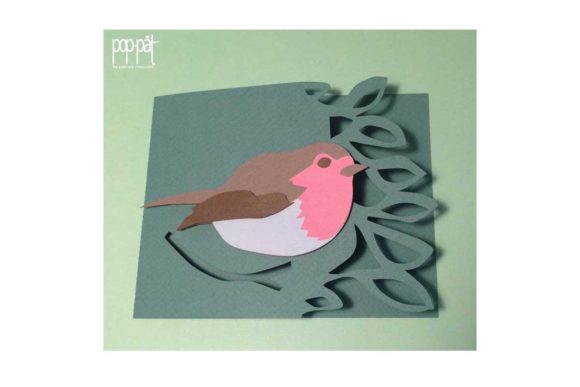
As a brand designer evaluating Robin Card, the first thing that stands out is its dimensional charm. The 3D SVG format gives it a tactile, almost handcrafted appeal that instantly elevates the visual tone of any layout. Whether used in a digital campaign or printed promotional material, this graphic design asset feels both modern and approachable—ideal for brands aiming to communicate warmth and creativity without sacrificing professionalism.
The design suggests a sense of movement and surprise, which makes it perfect for marketing moments that require a little visual delight—think product launches, seasonal promotions, or event announcements. It’s not overly ornate, but it carries enough visual interest to serve as a subtle brand accent or a focal point in the right context.
Robin Card in Action: A Practical Fit for Marketing Workflows
Let’s imagine a small business launching a new line of artisanal candles. The brand wants to refresh its visual content across multiple platforms—Pinterest, Instagram, email marketing, and packaging inserts. Robin Card fits seamlessly into this workflow as a flexible SVG design that can be scaled, recolored, and repurposed for different mediums.
- In social media graphics, it can serve as a branded header or a dynamic visual anchor in carousel posts.
- For Pinterest pins, the 3D effect adds depth and visual intrigue, increasing click-through rates.
- In email banners, it helps break up text-heavy content and reinforces brand identity.
- As part of packaging inserts, it can be printed in a minimalist version to add a personalized touch to unboxing experiences.
Emotional Tone and Brand Perception
Robin Card evokes a sense of playfulness and elegance. It leans more toward lifestyle, boutique, and creative brands than formal corporate identities. The pop-up style suggests celebration and attention to detail, which can subconsciously influence audience trust and engagement. It’s especially effective for handmade product brands, seasonal promotions, or service-based businesses looking to add a touch of warmth and personality to their visuals.
From a content marketing perspective, this kind of design asset helps maintain visual consistency across channels. When used as part of a larger design system—paired with a cohesive color palette and typography—it reinforces brand recognition and makes content feel more intentional and polished.
Marketing Goals Supported by Robin Card
When integrated thoughtfully, Robin Card can help achieve several key marketing objectives:
- Stronger First Impressions: Its dimensional design captures attention quickly, especially on visual platforms like Instagram and Pinterest.
- Clearer Visual Hierarchy: As a design accent or layout centerpiece, it naturally draws the eye and organizes content flow.
- Consistent Branding: When used across multiple assets—social media, ads, packaging—it reinforces a unified visual language.
- Better Audience Trust: Professionally designed elements like this signal attention to detail, which builds credibility.
- Emotional Connection: The design’s playful nature helps create a more personable and memorable brand experience.
Where Robin Card Works Best
Given its dimensional and decorative nature, Robin Card shines brightest in the following use cases:
- Hero Graphics: For landing pages or blog headers where visual impact matters most.
- Campaign Headers: In email marketing, social media covers, or web banners for seasonal or promotional campaigns.
- Branded Templates: Especially in Canva templates or design bundles for content creators and small businesses.
- Product Launch Visuals: To add a celebratory or premium feel to new product announcements.
- Promotional Banners: For limited-time offers or event-based marketing.
Where to Use Robin Card with Caution
Despite its versatility, Robin Card isn’t a one-size-fits-all solution. It should be used carefully in the following contexts:
- Formal Corporate Branding: Its playful style may not align with more serious or corporate visual identities.
- Dense Information Layouts: In text-heavy designs, it can distract from the main message.
- Small Mobile Graphics: The 3D detail may lose clarity on smaller screens.
- Low-Contrast Backgrounds: It can become visually muddy if not properly isolated or recolored.
- Overly Minimal Brands: If your brand aesthetic is ultra-clean or minimal, this design might feel too ornate.
Practical Designer Notes: Testing and Integration
Before integrating Robin Card into a live campaign, it's important to test it thoroughly:
- Test with your brand color palette: Ensure it harmonizes with your primary and accent colors.
- Check black and white usage: Some 3D effects can lose impact when converted to grayscale.
- Place it inside real campaign mockups: See how it interacts with other design elements and copy.
- Preview on mobile screens: Confirm that the SVG scales well and remains legible.
- Test readability in small sizes: Especially if used in social media avatars or thumbnails.
- Compare against competitor visuals: Make sure it stands out without looking out of place in your industry.
- Pair with different font styles: Try it with serif, sans-serif, script, and display fonts to see which combinations work best.
- Review spacing and balance: Don’t let it overpower the layout—adjust padding and alignment for visual harmony.
- Confirm commercial licensing: Always verify that the design asset is cleared for use in paid campaigns, client work, or digital product visuals.
Final Thoughts: A Valuable Addition to Your Design Toolkit
Robin Card is more than just a decorative graphic—it’s a strategic visual tool for brand owners and content creators aiming to elevate their marketing visuals. Its 3D SVG format ensures flexibility, while its charming aesthetic aligns well with lifestyle, creative, and product-based brands.
Whether you're building a content kit for a client, designing a seasonal campaign, or crafting branded templates for your audience, Robin Card offers practical value and emotional appeal. With thoughtful integration and testing, it can become a go-to asset in your creative marketplace toolkit, supporting both visual consistency and audience engagement across platforms.